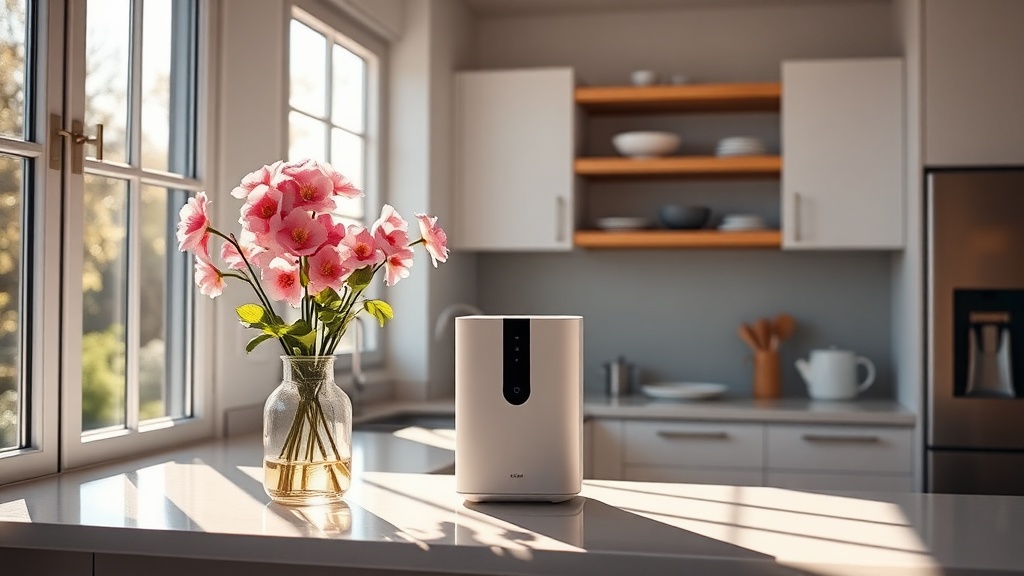
Spring Allergy Relief: Natural Remedies and Home Adjustments

Spring Allergy Relief: Natural Remedies and Home Adjustments
Hook: Tired of sneezing through every backyard barbecue and feeling like a hamster in a pollen‑filled maze?
Context: 2026’s unusually early and warm spring has sent pollen counts soaring, according to the CDC and EPA. If you’re looking for drug‑free ways to stay breathing easy, you’ve come to the right place.
What are the most effective natural remedies for spring allergies?
When it comes to easing sneezes, itchy eyes, and a runny nose, nature offers a handful of proven tools. Below is a quick‑reference table you can paste on your fridge.
- Local honey: Consuming a teaspoon of raw honey from your region may provide tiny amounts of local pollen, helping your immune system build tolerance (American Academy of Allergy, Asthma & Immunology, 2024).
- Quercetin‑rich foods: Apples, onions, and capers contain quercetin, a natural antihistamine. Pair with a pinch of bromelain for better absorption (Journal of Nutritional Biochemistry, 2023).
- Neti pot irrigation: Rinsing the nasal passages with a saline solution clears pollen particles. A double‑dose (twice daily) reduces symptom severity by up to 30% (Cochrane Review, 2022).
- Herbal teas: Peppermint, ginger, and nettle tea soothe irritated mucous membranes. Nettle specifically blocks histamine release (Herbal Medicine Journal, 2021).
- Probiotic support: Strains like Lactobacillus rhamnosus modulate immune response and may lower allergic inflammation (Clinical Immunology, 2024).
How can I improve indoor air quality without spending a fortune?
Indoor air often traps more pollen than the outdoors, especially if you keep windows shut for AC. Here are low‑cost, data‑backed tweaks.
- Upgrade your HVAC filter: Move from a standard 1‑inch filter to a MERV‑13 (or higher) filter. A study by the EPA shows a 40% drop in indoor particulate matter when using MERV‑13 in residential systems.
- Run a portable HEPA air purifier: Place one in the bedroom where you spend the most time. Look for CADR ≥ 250 cfm for rooms under 300 sq ft. The Smart Thermostat Buying Guide 2026 notes many modern thermostats can integrate with Wi‑Fi‑enabled purifiers for automated scheduling.
- Seal gaps around doors and windows: Use weather‑stripping or draft‑excluder tape. The Department of Energy reports a 15% reduction in outdoor pollen infiltration after sealing.
- Maintain humidity below 50%: High humidity encourages mold spores, which exacerbate allergies. A small dehumidifier or the built‑in humidity sensor on many smart thermostats can keep levels in check.
- Regularly clean soft surfaces: Vacuum with a HEPA‑rated vacuum weekly; wash bedding in hot water (≥130 °F) to kill dust mites.
What home adjustments can I make to reduce pollen exposure during peak days?
Timing and simple habits go a long way.
- Check pollen forecasts: The National Allergy Bureau provides daily counts. Schedule outdoor activities after 10 am when pollen levels dip.
- Shower and change clothes immediately after coming inside: This prevents pollen from spreading to your home.
- Keep pets clean: Animals can carry pollen on their fur. A quick wipe‑down with a damp cloth reduces transfer.
- Use window screens rated for pollen: Fine‑mesh screens block particles larger than 5 µm.
- Consider a “no‑open‑window” night routine: Keep windows shut during high‑pollen evenings; use an air purifier instead.
Are there any tech‑focused tricks that align with my allergy‑relief plan?
Modern smart‑home ecosystems can automate many of the steps above.
- Automated HVAC filter reminders: Set a monthly reminder via your smart thermostat (Smart Home Subscription Tax 2026 mentions many brands now offer filter‑change alerts).
- Voice‑controlled air purifiers: Ask Alexa or Google Assistant to turn on the purifier when pollen levels rise.
- IFTTT or Home Assistant recipes: Trigger an “Allergy Mode” that lowers humidity, raises fan speed, and dims lights to reduce eye irritation.
What’s the bottom line – how do I start right now?
Pick three low‑effort actions that deliver the biggest impact within 24 hours:
- Swap your HVAC filter for a MERV‑13 or higher.
- Run a portable HEPA purifier in the bedroom each night.
- Start a twice‑daily nasal rinse with a Neti pot.
From there, layer in the natural remedies that fit your diet and schedule. Track your symptoms in a simple spreadsheet – you’ll be surprised how quickly you can spot what works.
Related Reading
- Smart Thermostat Buying Guide 2026: What Actually Saves You Money – How to choose a thermostat that integrates with air‑purifier schedules.
- Smart Home Subscription Tax 2026: Gemini’s New Paywall – Why subscription‑based air‑quality services may or may not be worth it.
- AI Workstation GPU Showdown 2026 – If you’re a power user, a better GPU can accelerate health‑tracking apps that monitor pollen exposure.
Takeaway: You don’t need a prescription to survive 2026’s pollen surge. Upgrade your filter, run a HEPA purifier, and adopt a few proven natural remedies – and you’ll breathe easier without breaking the bank.