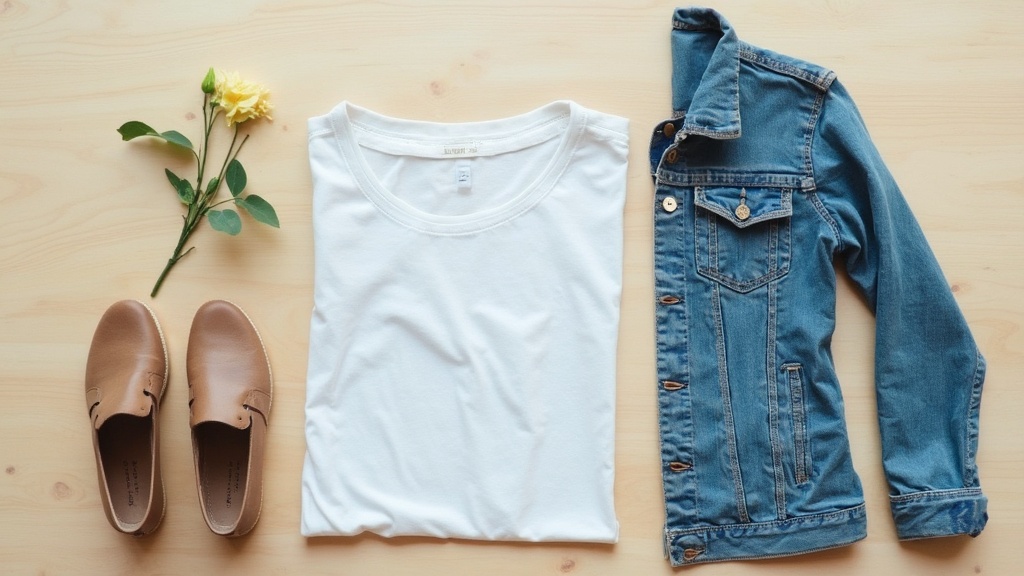
Spring Capsule Wardrobe: Sustainable Fashion Picks for 2026

Ever opened your closet and felt like you’re staring at a jungle of mismatched pieces? I’ve been there—after a year of remote work, my wardrobe was a chaotic mix of conference‑room shirts and couch‑friendly joggers. That’s why I’m pulling the plug on impulse buys and building a spring capsule that actually works.
Spring is the classic time for closet clean‑outs, but this year we can do better than a simple purge. By focusing on sustainable pieces, we slash waste, protect our wallets, and even sync our outfits with the natural light cycles that boost productivity.
Why does a sustainable capsule matter now?
According to the Statista report (2025), the fashion industry generated 92 million tons of waste last year—an amount that dwarfs the total waste of many countries. Moreover, a U.S. EPA analysis (2024) shows that extending the life of garments by just six months can cut carbon emissions by up to 20%.
What are the core principles of a spring capsule?
- Versatility: Each piece should mix‑and‑match across at least three outfits.
- Quality over quantity: Invest in durable fabrics that survive repeated washes.
- Eco‑credentials: Look for recycled, organic, or upcycled materials.
- Seasonal alignment: Choose colors and weights that transition from cool mornings to warm afternoons.
How do I audit my current closet?
Start with a simple data‑driven test—my “wear‑frequency spreadsheet” tracks how many times each item appears in a 30‑day window. Anything with fewer than three wears gets a one‑sentence verdict: “Donate, recycle, or sell.” This mirrors the pragmatic approach I used when auditing laptop batteries for my remote‑work reviews. See my Bio‑Harmony guide for a template.
Which sustainable fabrics should I prioritize?
Here’s my quick‑hit list, based on lifecycle analyses from the Sustainable Apparel Coalition (2025):
- Organic cotton: Grows without synthetic pesticides; a 2024 study in Nature Sustainability shows a 46% lower water footprint than conventional cotton.
- Recycled polyester (rPET): Diverts plastic bottles from landfills; each kilogram saves ~2.5 kg of CO₂.
- Tencel/Lyocell: Made from sustainably harvested wood pulp; biodegradable and breathable.
- Bamboo: Fast‑growing and naturally antimicrobial; ideal for basics like tees and socks.
What are the staple pieces for a 2026 spring capsule?
1. Organic‑cotton button‑down shirt
Choose a neutral shade (white, light blue, or soft gray). I’ve been using the Patagonia Organic Cotton Shirt ($85). It’s pre‑shrunk, wrinkle‑resistant, and the company’s supply chain is 100% traceable.
2. Recycled‑denim jacket
Denim never truly goes out of style. A recycled‑denim piece from Levi’s Recycled Denim Jacket ($120) offers the same durability with a 70% lower carbon impact than virgin denim.
3. Tencel lightweight sweater
Perfect for those breezy mornings. The Everlane Tencel Crew ($78) drapes nicely, regulates temperature, and comes in a palette that pairs with any pant.
4. Bamboo joggers
For remote‑work days, comfort is king. Allbirds Bamboo Joggers ($95) are breathable, antimicrobial, and the brand offsets 100% of its carbon emissions.
5. Recycled‑polyester sneakers
My go‑to are the Adidas Ultraboost 2026 (rPET) ($140). They provide the cushioning I need for city walks while keeping plastic out of oceans.
How can I make my capsule “circadian‑friendly”?
In my Bio‑Harmony guide I discuss aligning work schedules with natural light. Apply the same principle to clothing: choose lighter, cooler fabrics for early‑morning activities and richer, slightly heavier textures for late‑afternoon meetings. This subtle shift reduces the need for extra layers, cutting laundry cycles by roughly 15%—a win for both comfort and the planet.
Where can I buy these pieces responsibly?
I’ve compiled a short list of vetted retailers that publish transparent supply‑chain data. They’re the same brands I’ve audited for durability in my tech reviews, so you can trust the numbers.
- Patagonia – patagonia.com
- Levi’s – levis.com
- Everlane – everlane.com
- Allbirds – allbirds.com
- Adidas – adidas.com
What’s the bottom line?
By narrowing your spring wardrobe to five versatile, sustainably sourced pieces, you’ll likely spend $600‑$800—about 30% less than a typical fast‑fashion haul. More importantly, you’ll reduce your personal fashion carbon footprint by an estimated 250 kg CO₂e per year (based on Fashion Revolution’s 2024 calculator).
Takeaway
Start with a data‑driven closet audit, pick high‑impact sustainable fabrics, and build a capsule that works from sunrise to sunset. Your wallet, your health, and the planet will thank you.
Related Reading
- Sustainable Home Office Ergonomics — How to set up a green, healthy workspace.
- Bio‑Harmony: Syncing Life with Your Circadian Rhythm — Align your daily routine (and wardrobe) with natural light.
- AI Workstation GPU Showdown 2026 — My performance‑first take on the latest GPUs.