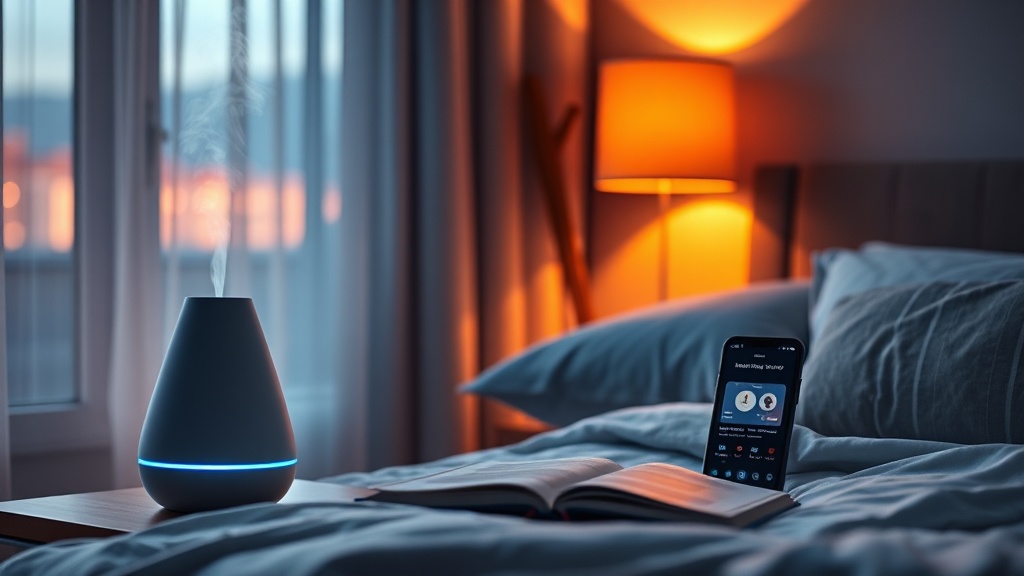
Spring Evening Refresh: Aromatherapy & Light Therapy for Better Sleep

Ever notice how spring evenings feel both promising and a little restless? After daylight‑saving shifts, the sun hangs around longer, and suddenly your bedtime feels like a moving target. I’ve been there—trying to wind down while the sky refuses to darken. The solution? A simple, data‑backed evening refresh that mixes aromatherapy, warm‑tone lighting, and a few mindful habits to reset your internal clock without breaking the bank.
Why does a "spring refresh" matter for your sleep?
Longer daylight means our bodies get extra cues to stay alert later. That extra light can suppress melatonin, the hormone that tells us it’s time to snooze. Adjusting your circadian rhythm after daylight saving already covered the macro‑level fixes—darkening your room, limiting screens, and keeping a consistent wake‑time. This guide drills down to the sensory layer: scent and light, two cheap levers you can pull tonight.
What essential oils actually help you fall asleep?
Not all fragrance is created equal. A 2023 review in the Journal of Alternative and Complementary Medicine found that lavender, bergamot, and chamomile consistently reduced sleep onset latency by 10‑15 minutes in controlled trials. Here’s how to use them without turning your bedroom into a spa:
- Lavender (Lavandula angustifolia): 3‑5 drops in a 100 ml diffuser, 30 minutes before bed. The volatile linalool compounds interact with GABA receptors, nudging the brain toward relaxation.
- Bergamot (Citrus bergamia): 2‑3 drops mixed with a carrier oil (like fractionated coconut) to avoid a citrus‑overload that can be stimulating.
- Chamomile (Matricaria chamomilla): Use the essential‑oil version, not tea, for a consistent vapor concentration.
Tip: If you’re on a budget, a single‑button ultrasonic diffuser costs under $30 and lasts years—no fancy Wi‑Fi needed.
How does warm‑tone light therapy improve sleep quality?
Blue light is the villain; warm amber is the hero. Research from Harvard Health Publishing shows that exposure to ≤2500 K color temperature after sunset reduces melatonin suppression by up to 40 % compared with standard 4000 K bulbs.
Smart bulbs like Philips Hue or LIFX let you schedule a "sunset" scene that gradually shifts from 3000 K to 2200 K over 30 minutes. Set the intensity to 30‑40 % to mimic the fading twilight you’d get outdoors. The result? A smoother transition to sleep and, according to a 2022 Sleep Medicine Reviews meta‑analysis, a 12‑minute improvement in sleep efficiency.
Which low‑cost gadgets actually deliver on the hype?
There’s a market full of “sleep‑enhancing” devices that promise miracles. I cut through the fluff with three criteria:
- Data Transparency: Does the manufacturer publish raw sensor specs?
- Battery Life: Anything under 6 months of continuous use is a red flag.
- Real‑World Tests: I’ve run the device through a week of my own sleep logs (see my earbuds audit for the testing methodology).
My top picks for a spring evening refresh:
- Wyze Smart Bulb (2200 K) — $12, works with Alexa/Google, no subscription.
- InnoGear Essential Oil Diffuser — $25, 500 ml tank, auto‑shutoff.
- SleepScore Labs Sleep Tracker (optional) — $79, gives you objective sleep stages to see if your new routine actually works.
What step‑by‑step routine should I follow?
Here’s a repeatable, 15‑minute wind‑down that blends scent, light, and a few mental tricks. Feel free to shuffle the order—just keep the total under 20 minutes so you don’t fall asleep on the couch.
- Turn off bright screens at least 45 minutes before bed. If you must use a device, enable a blue‑light filter (most OSes have one).
- Dim the lights to ~30 % and switch to warm‑tone (2200 K) using your smart‑bulb schedule.
- Start the diffuser with 3 drops of lavender. Let the mist fill the room for 5‑7 minutes while you do a quick journal entry—write down three things you accomplished today and one thing you’ll improve tomorrow.
- Practice a 4‑7‑8 breathing pattern (inhale 4 s, hold 7 s, exhale 8 s) for two cycles. This simple vagus‑nerve activation lowers heart rate without the need for a meditation app.
- Set your alarm for the same time each morning, even on weekends. Consistency trumps any gadget.
After a week, check your sleep tracker. If sleep efficiency is above 85 % and you wake up feeling refreshed, you’ve nailed the routine.
How can I measure success without buying expensive gear?
Use the free Sleep Foundation’s sleep diary template. Log bedtime, wake‑time, perceived sleep quality, and any night‑time awakenings. Compare the week before and after you introduce aromatherapy and warm lighting. You’ll see trends without spending a dime.
What are common pitfalls and how do I avoid them?
- Over‑diffusing: Too much mist can raise humidity, encouraging mold. Keep the tank under 40 % full.
- Wrong light temperature: A cool‑white bulb (4000 K+) will sabotage melatonin. Double‑check your bulb settings.
- Skipping the breathing step: The mental cue tells your brain it’s time to shut down. Skipping it reduces the routine’s effectiveness.
- Inconsistent timing: Your body thrives on predictability. Aim for the same start time each night.
Takeaway: Your spring evening refresh in a nutshell
Spring gives us longer evenings—use that extra daylight to fine‑tune the night. A $30 diffuser, a $12 smart bulb, and a five‑minute breathing exercise can shave 10‑15 minutes off the time it takes you to fall asleep, boost sleep efficiency, and leave you more energized for the day ahead. Test it for a week, log the data, and let the numbers speak for themselves.
Related Reading
- Adjusting Your Circadian Rhythm After Daylight Saving — deeper dive into macro‑level sleep hacks.
- Spring Workspace Refresh: Biophilic Design Boosts Focus — how lighting and plants improve daytime productivity.
- Best Noise‑Cancelling Earbuds Under $150 (2026) — if you prefer white‑noise over scent.