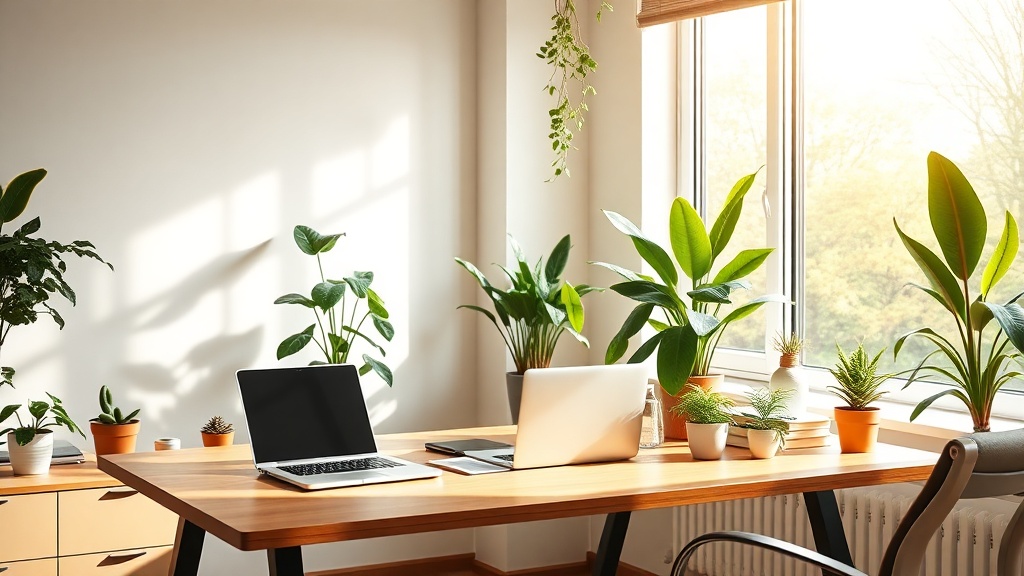
Spring Workspace Refresh: Biophilic Design Boosts Focus

Ever feel like your home office is a sterile box that drains your energy? I was there last winter, staring at a blank screen while the only green I saw was the occasional notification badge. With daylight stretching longer and the urge to open windows, spring is the perfect excuse to invite a bit of nature back into the workspace.
Why does a splash of greenery matter? Because biophilic design isn’t just a trendy buzzword – it’s a data‑backed strategy that can sharpen focus, lower cortisol, and even improve air quality. In this quick‑hit guide I’ll show you how to add plants, natural materials, and smart lighting without blowing your budget.
Why does biophilic design improve focus and wellbeing?
Multiple studies, including a 2015 APA review and NASA’s Clean Air Study, demonstrate that exposure to natural elements reduces stress hormones and boosts concentration. The effect is especially pronounced in a home office where visual fatigue from screens is a constant.
Which low‑maintenance plants actually deliver air‑purifying benefits?
Not every leafy friend is worth the water‑ing schedule. Here are three budget‑friendly winners:
- Snake Plant (Sansevieria) – Thrives on neglect, filters formaldehyde, and releases oxygen at night.
- Pothos (Epipremnum aureum) – Grows in low light, tackles benzene, and can be trained to cascade over shelves.
- ZZ Plant (Zamioculcas zamiifolia) – Drought‑tolerant, glossy leaves that add a sleek look, and modest air‑cleaning power.
Pick one per 10‑sq‑ft of desk space; a small cluster is enough to notice the psychological lift.
How can I incorporate natural materials without a full remodel?
Swap out cheap plastic accessories for wood or stone alternatives. A bamboo keyboard tray, a reclaimed‑wood monitor riser, or a cork mouse pad costs under $30 each and adds tactile warmth. I’ve kept a spare budget for a simple ergonomic upgrade that also feels less sterile.
What lighting tricks make the most of spring daylight?
Position your desk near a window facing north‑east to capture gentle, indirect light. Pair it with a daylight‑balanced LED lamp (5000‑5500K) for cloudy afternoons. Avoid harsh overhead fluorescents; they increase eye strain and negate the calming effect of natural light.
How do I measure whether the changes actually help?
Track two simple metrics for a week before and after the refresh:
- Productivity: Count completed work blocks (Pomodoro sessions) per day.
- Stress level: Rate your perceived stress on a 1‑10 scale before starting work.
If you see a 10‑15% rise in completed blocks and a drop of at least two points in stress, the biophilic tweaks are paying off.
What’s a quick starter checklist for a spring biophilic makeover?
- Pick one hardy plant (snake plant, pothos, or ZZ) and place it within arm’s reach.
- Swap a plastic desk organizer for a bamboo or reclaimed‑wood version.
- Reposition your desk to capture morning sunlight; add a daylight LED lamp for evenings.
- Set a 5‑minute end‑of‑day “air‑refresh” routine: open a window or run a small fan.
What other GadgetGuide posts can help you extend the refresh?
For a deeper dive into ergonomics, see Sustainable Home Office Ergonomics. If you’re looking to complement the green vibe with tech, check out Spring Tech Refresh: Outdoor Gadgets for nature‑friendly accessories.
Takeaway
Biophilic design isn’t about turning your office into a rainforest; it’s about strategic, low‑cost nudges that bring nature’s calming influence to your desk. Add a hardy plant, swap a plastic accessory for wood, and optimise daylight – you’ll notice sharper focus, lower stress, and a workspace that feels less like a cage and more like a productivity‑friendly oasis.