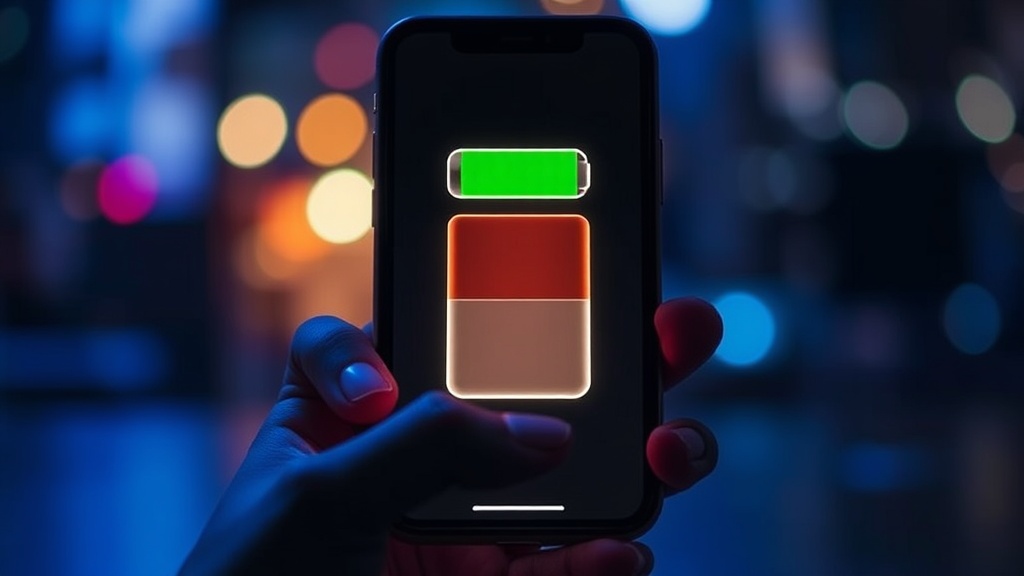
Stop Closing Apps on Your Phone—It Actually Wastes Battery

Quick Tip
Leave recently used apps in the background; your phone is designed to manage them efficiently, and force-quitting only wastes battery.
Swiping away every app in the multitasking carousel feels productive—like tidying a digital desk. Here's the thing: that habit burns more battery than it saves. Both iOS and Android are engineered to keep background apps suspended, not running, so force-closing them works against the system rather than helping it. If you're trying to stretch a single charge through a busy day, this is one of the easiest behavioral fixes you can make.
Does closing apps save battery on iPhone and Android?
No—force-closing apps routinely actually reduces battery life on both platforms. Apple's own support documentation is explicit about this: only close an app when it's frozen or misbehaving. On Android, the same principle applies. Google's Android developers note that reopening a closed app from scratch consumes more CPU cycles—and therefore more power—than simply waking a suspended process from RAM. The OS is smarter than the swipe-up gesture.
Why does force-closing apps drain battery faster?
Relaunching an app from cold storage forces the CPU to rebuild the entire process from scratch, which spikes power draw. When you leave an app in the background, modern phones—like the iPhone 15 Pro or Samsung Galaxy S24—park it in a low-power suspended state. The app stays in RAM (fast, efficient memory that uses barely any energy to maintain). The catch? Killing it removes that cached state. The next launch reloads code, re-renders the interface, and re-establishes network connections. That sequence can pull two to three times the wattage of a simple resume. A study from researchers at Purdue and Intel found that cold-starting apps like Facebook or Twitter consumed significantly more energy than letting the OS manage background states automatically.
When should you actually close apps on your phone?
Close an app only when it crashes, freezes, or starts burning background location data unexpectedly. For everyday use, the OS handles memory and power better than manual intervention. Worth noting: some misbehaving apps—looking at you, Snapchat and Uber—can abuse background refresh or GPS. Here's a quick reference:
| Scenario | Action | Why |
|---|---|---|
| App frozen | Force-close | Breaks the crash loop |
| Normal daily use | Leave it open | Saves CPU and battery |
| Background location drain | Close + check permissions | Stops GPS abuse |
| Low storage warning | Close unused apps | Frees RAM temporarily |
That said, if you're running a three-year-old Pixel 6a with a worn battery, the difference is smaller—but still real. Modern lithium-ion cells (like those in the iPhone 16 and OnePlus 12) degrade faster under repeated heavy loads, and constant cold starts add micro-stresses that add up over a charge cycle. The Verge covered this back in 2016, and the physics haven't changed.
Your phone's operating system isn't lazy—it's efficient. Stop micromanaging the app switcher and let the software do what it was built to do.