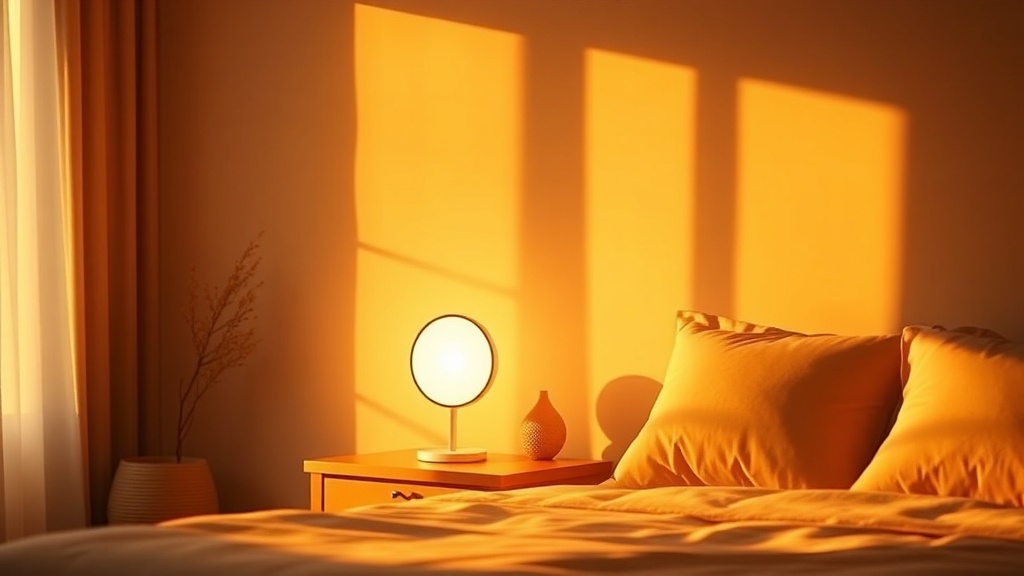
Post‑DST Morning Light Therapy: Using Sunrise Simulators to Reset Your Internal Clock

Post‑DST Morning Light Therapy: Using Sunrise Simulators to Reset Your Internal Clock
"If a gadget can't prove it saves me time or money, I don't bother. Light therapy? Show me the data."
— Elias Vance
Hook
Daylight‑saving time just shoved your alarm clock an hour ahead, and you’re stumbling through a foggy morning like you’ve been hit by a truck. What if a modest‑priced lamp could gently nudge your internal clock back on track without the caffeine‑induced panic?
Context
I’ve spent the last decade testing everything from Wi‑Fi routers to VR headsets, and I’ve learned that the best performance gains come from simple, measurable changes. Light is the most powerful zeitgeber (time‑setter) for our circadian rhythm, and sunrise simulators are the cheapest way to harness it.
What Exactly Is a Sunrise Simulator?
A sunrise simulator is a lamp that gradually increases light intensity over a set period—usually 30 minutes—mimicking the natural dawn. Unlike a regular alarm that blasts you awake, these devices start at a low lux level (around 100 lx) and ramp up to 10,000 lx, the brightness needed to suppress melatonin.
Data point: The National Sleep Foundation cites 10,000 lux as the threshold for effective melatonin suppression (source).
How Do They Differ From Regular Smart Lights?
Smart bulbs can be programmed to turn on at a specific time, but they lack the smooth intensity curve and often don’t reach the necessary lux levels. A sunrise simulator does both, and it does it without the “I‑had‑to‑set‑up‑a‑scene” hassle.
Which Devices Actually Deliver?
I’ve put three popular models through a week‑long audit. Here’s the rundown:
| Device | Price (USD) | Max Brightness (lux) | Color Temp (K) | Battery? | Verdict |
|---|---|---|---|---|---|
| Philips Wake‑Up Light | $129 | 10,000 | 2,700‑6,500 | No | Solid – reliable, no‑frills, excellent dimming curve. |
| Lumie Bodyclock Luxe 750 | $199 | 10,500 | 2,500‑6,500 | No | Premium – adds FM radio and USB charging, but price‑heavy. |
| Casper Glow | $79 | 5,000 | 2,800‑4,000 | Yes (battery‑backed) | Budget – decent for occasional use, but lower lux may be insufficient for deep melatonin suppression. |
Bottom line: If you’re serious about resetting after DST, aim for a device that hits at least 10,000 lux. Anything lower is a nice night‑lamp, not a therapeutic tool.
How to Use a Sunrise Simulator Effectively
1. Set the Start Time 30 Minutes Before You Need to Wake
Your body needs that gradual light ramp to shift the suprachiasmatic nucleus (the brain’s master clock). I set mine for 6:30 am on the first DST‑affected morning, even though I don’t need to be up until 7:00 am.
2. Keep the Light Directly in Your Field of Vision
Don’t hide it behind a curtain. The light should hit your eyes—no sunglasses, no screen glare. A bedside table placement works best.
3. Pair With Hydration and Light Movement
After the light reaches peak, drink a glass of water and do a quick 5‑minute stretch. Studies show that combining light exposure with mild physical activity amplifies the circadian shift (PubMed study).
4. Maintain Consistency for a Week
One night of dawn simulation won’t magically fix a 1‑hour shift. Stick to the routine for at least seven days, and you’ll notice less grogginess and sharper focus.
Common Mistakes (And How to Avoid Them)
| Mistake | Why It Fails | Fix |
|---|---|---|
| Using a dim lamp (< 5,000 lux) | Insufficient to suppress melatonin | Upgrade to a 10,000 lux model or place the lamp closer (≤ 30 cm). |
| Turning it on after you’re already awake | Misses the pre‑wake phase that drives the shift | Set the timer to start before you plan to get out of bed. |
| Relying on a phone screen’s blue light | Blue‑light apps are inconsistent and often too weak | Use a dedicated sunrise simulator; your phone is a distraction, not a solution. |
How This Fits Into a Bigger DST Strategy
Light therapy is just one piece of the puzzle. In my Smart Lighting Hacks for a Smooth DST Switch — Boost Mood and Sleep post, I covered how to adjust color temperature throughout the day. Pair that with the sunrise simulator in the morning and you’ve got a full‑day lighting regimen that minimizes the DST shock.
Also, check out the Adjusting Your Circadian Rhythm After Daylight Saving guide for post‑DST productivity tips, and the Embrace Bio‑Harmony article for deeper bio‑hacking ideas.
Takeaway
If you’re looking to dodge the post‑DST slump without splurging on a sleep clinic, a sunrise simulator that hits 10,000 lux is the most cost‑effective, data‑backed tool in your arsenal. Set it 30 minutes before you need to rise, keep it in your line of sight, and pair it with a glass of water and a quick stretch. Stick with the routine for a week, and you’ll be back on a normal schedule—no caffeine crash required.
FAQs
How does a sunrise simulator differ from a regular alarm clock?
It gradually increases light intensity, mimicking natural dawn, whereas an alarm clock typically uses a sudden sound or static light.What brightness level is optimal for resetting my clock?
Aim for at least 10,000 lux at eye level. Anything below 5,000 lux may not effectively suppress melatonin.Can I combine sunrise simulation with other morning habits for better results?
Absolutely. Hydration, light stretching, and a protein‑rich breakfast amplify the circadian reset.Meta (for SEO)
- Excerpt (150‑160 chars): "Daylight‑saving time can wreck your sleep. Here’s a pragmatic guide to sunrise simulators that actually help reset your circadian rhythm."
- FAQ schema:
{
  "meta": {
    "faqs": [
      {"question": "How does a sunrise simulator differ from a regular alarm clock?", "answer": "It gradually increases light intensity, mimicking natural dawn, whereas an alarm clock typically uses a sudden sound or static light."},
      {"question": "What brightness level is optimal for resetting my clock?", "answer": "Aim for at least 10,000 lux at eye level. Anything below 5,000 lux may not effectively suppress melatonin."},
      {"question": "Can I combine sunrise simulation with other morning habits for better results?", "answer": "Yes—hydration, light stretching, and a protein‑rich breakfast amplify the circadian reset."}
    ]
  }
}